When the Money Has Opinions: How Family Offices Became America's Most Powerful Homebuyers
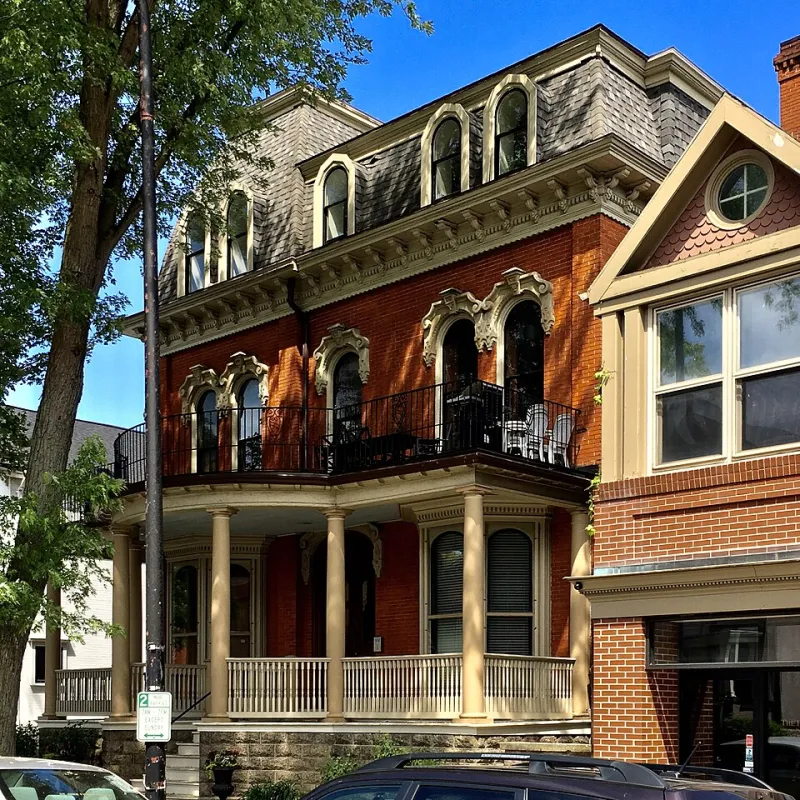
Photo: Andre Carrotflower, CC BY-SA 4.0, via Wikimedia Commons
There is a moment in every truly large residential transaction when the buyer stops being a person. The principal may have toured the estate once, perhaps twice. But the negotiations, the diligence, the architectural review, the art logistics—these are handled by a small cadre of professionals whose job is not to find a beautiful home but to protect a fortune that happens to live in one.
The family office has arrived in American residential real estate, and it is not a guest.
From Wealth Management to Wall Placement
Traditionally, a family office—a private firm managing a wealthy family's affairs—touched real estate only as an asset class: office towers, portfolios, development deals. What has changed is the migration of that institutional discipline into the personal residence. Today, when a nine-figure estate changes hands in Palm Beach, Aspen, or Montecito, the counterparty across the table is as likely to be a CFO as a spouse.
The implications are subtle but profound. Decisions that were once matters of taste—where the art hangs, how the wine is stored, whether the guest wing is separate—are now matters of governance. Wealth advisors frame the home as an extension of the portfolio: an asset with preservation costs, insurance exposure, and succession questions. The interior designer, meanwhile, discovers that a client's "family" includes a risk committee.
The Amenity Arms Race, Institutionalized
Trace several of the past decade's dominant luxury amenity trends and you will find institutional fingerprints.
The compound model. Family offices favor properties that consolidate—multiple structures on a single gated parcel, guest houses for adult children, staff quarters, and space for the next generation. The sprawling compound isn't just a lifestyle preference; it's an estate-planning strategy, allowing property to pass intact and privately.
Museum-grade environmental control. As significant art collections migrate from storage to living rooms, homes now require climate systems engineered to curatorial standards: humidity held within a two-point band, UV-filtered glazing, redundant power. Vendors who once served the Met now serve the foyer. Designers report specifying art-graded HVAC as routinely as they once specified marble.
Documentation as design. Institutional buyers want provenance, condition reports, and maintenance schedules for everything. The effect on interiors is a certain hyper-finished quality—every material specified for longevity and serviceability, because somewhere a spreadsheet is tracking it.
The Gatekeeper Problem
Not everyone in the design world welcomes this shift. Some architects chafe at presenting concepts to committees rather than clients, arguing that consensus-driven wealth produces consensus-driven houses: immaculate, expensive, and strangely without an author. When risk aversion replaces desire, they contend, you get homes that are flawless and forgettable.
Defenders of the model push back. Principals, they note, remain the final word; the professionals simply ensure the dream survives contact with reality. A house that can be maintained, insured, and eventually transferred is, on a long enough timeline, a more beautiful object than one that cannot. Sentiment, in this view, is a line item—and a defensible one.
There is also a quieter critique: that gatekeeping concentrates taste. When a handful of advisory firms steer a disproportionate share of top-tier purchases, their preferences propagate. The stone they specify this year becomes the stone every builder offers next year. Institutional money doesn't just buy the market's best homes; it slowly decides what the best homes look like.
What Gets Built Next
The direction of travel is clear. Expect more homes designed from the outset for multi-generational governance: separate wings with separate systems, galleries with gallery infrastructure, service corridors planned for decades of staffed operation. Expect architects to add financial fluency to their pitch decks alongside renderings. And expect the most influential voice in American luxury design to remain, mostly, unheard—the advisor in the corner of the meeting who never picks the fabric, but whose notes determine which fabric survives.
The great American house has always been a portrait of its owner's power. Increasingly, that portrait is commissioned by committee—and framed, meticulously, by people whose names appear on no wall.