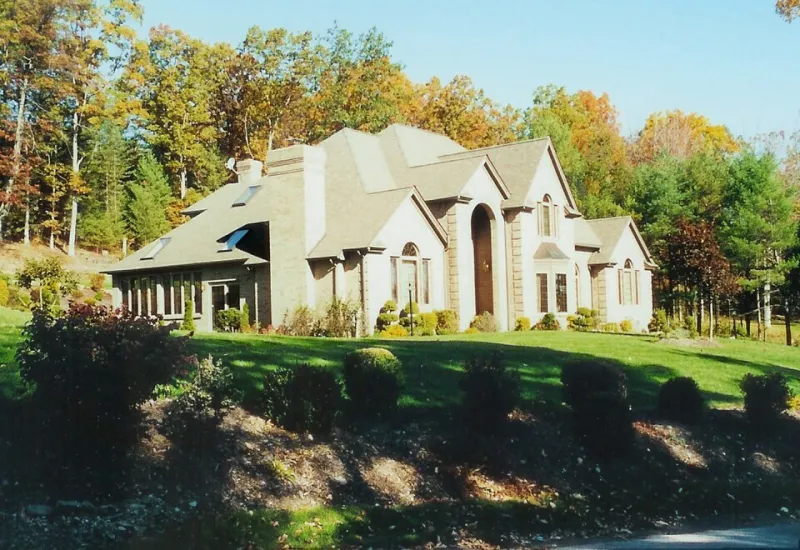
The Dirt Dividend: Seven American Properties Where the Land Outranks the House
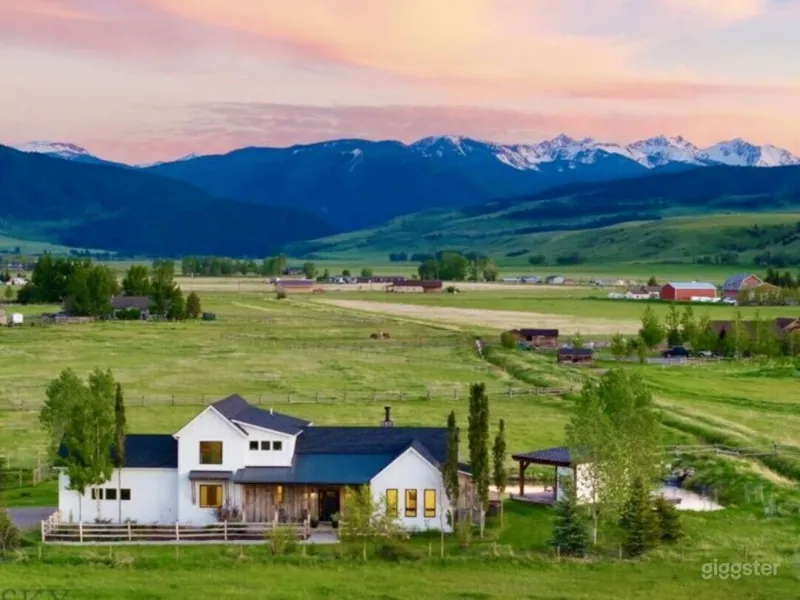
Photo: luxury ranch property aerial view mountains riverfront acreage, via static.giggster.com
There is an uncomfortable arithmetic unfolding in America's high-end property markets, and it does not flatter the houses. Across the toniest zip codes, buyers are paying startling premiums for parcels whose principal virtue is not the residence upon them but the ground beneath. Acreage. Aspect. Water. Silence. The things, in short, that cannot be renovated into existence.
The trend has been building for half a decade, but 2025's tight inventory has made it undeniable. In Aspen, a teardown on four flat acres routinely outperforms a finished showpiece on a quarter-acre. In the Hudson Valley, view corridors and road frontage command figures that would have seemed fanciful ten years ago. The market, it seems, has rediscovered the oldest rule in real estate by way of its newest anxieties.
Why the Ground Won
Several forces converge. Post-pandemic migration pushed affluent buyers into scenic regions where buildable, private land is finite — and finite things appreciate. Remote and hybrid work made proximity to offices optional while making proximity to beauty non-negotiable. Climate awareness sharpened preferences for defensible topography, reliable water, and southern exposure. And a generational cohort of buyers, fluent in architectural photography but wary of renovation timelines, increasingly prefers to buy the setting and build later — or simply wait.
Appraisers have a dry phrase for it: site value dominance. Buyers have a simpler one. As one ranch broker in Paradise Valley put it, "You can fix a dated kitchen. You cannot fix a road running through your view."
What makes a lot aspirational in 2025? Practitioners point to a consistent checklist: protected view corridors, ideally over land that cannot be developed; year-round access without visible neighbors; mature tree cover or natural windbreaks; water in some form, whether river frontage or a legal share of irrigation rights; and topography gentle enough to build upon but dramatic enough to matter.
Seven Parcels Where the Land Is the Headline
1. The Bitterroot River Ranch, Montana. A modest 1980s lodge sits almost apologetically on a half-mile of private riverbank beneath the Sapphire Range. The listing's photographs barely feature the house. They don't need to.
2. A Malibu Ridgeline Parcel, California. No residence worth the name — a caretaker's cottage, really — but an unobstructed sweep from Point Dume to the Channel Islands, on acreage zoned for a single estate. The asking price is a conversation about the horizon.
3. Hill Country Preserve, Texas. Forty acres of live oak and limestone an hour west of Austin, with a spring-fed creek and a building envelope positioned by a landscape architect years ago. The 2,400-square-foot ranch house is a rounding error.
4. A Hudson Valley Mountaintop, New York. Sixty forested acres above the river, with a view corridor protected by an adjacent land trust — meaning nothing will ever be built between the porch and the Catskills.
5. Lowcountry Tract, South Carolina. Tidal creek frontage near Beaufort, with centuries-old live oaks draped in Spanish moss and a conservation easement ensuring the marsh stays marsh. The 1970s brick ranch is, charitably, a placeholder.
6. A Jackson Hole Meadow, Wyoming. Flat, fenced, and framed by the Tetons, with trout fishing rights on a spring creek. The existing structure is described in the listing as "improvements." The meadow is described in photographs.
7. Desert Mesa, Santa Fe, New Mexico. Twenty-five acres of piñon and granite boulders with 360-degree views and a solar orientation any passive-design architect would covet. The adobe casita is charming. The sunset is the asset.
The Counterargument, and Why It Fails
Skeptics note that land generates no utility without a structure and carries carrying costs — taxes, easements, maintenance — that compound quietly. Fair enough. But the counterargument misunderstands the buyer. These purchasers are not buying utility; they are buying irreproducibility. A kitchen can be reimagined every decade. A view corridor, once lost, is lost forever.
The dirt dividend, then, is less a bubble than a correction — the market re-pricing the one commodity in American luxury that truly has no substitute. The houses will come and go. The ground, as ever, remains.