Sold by the Sun: The Quiet Economics of Natural Light in America's Finest Homes

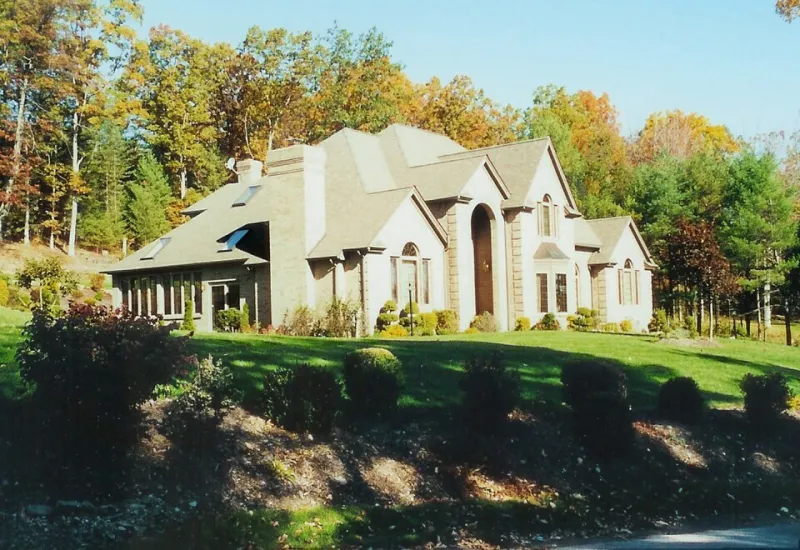
Photo: SpicyVoice, CC BY-SA 4.0, via Wikimedia Commons
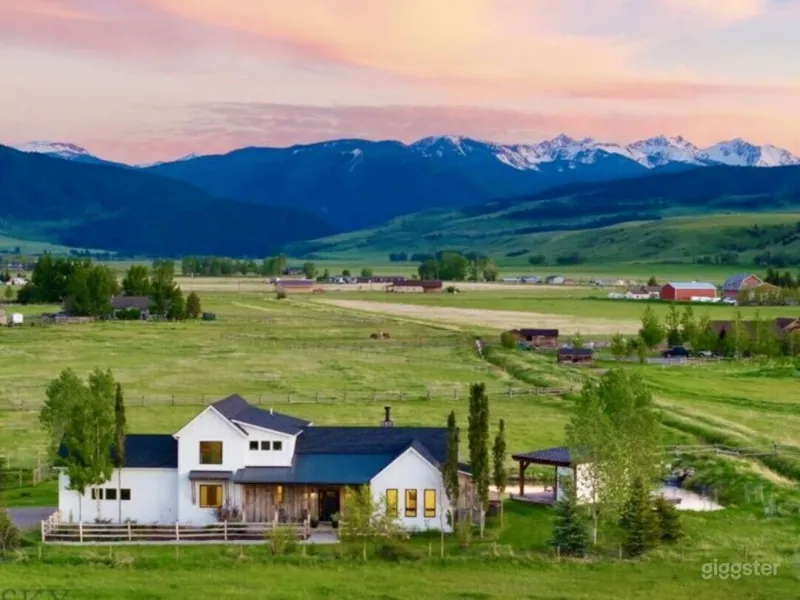
Ask a luxury buyer what sealed the deal on their last seven-figure purchase and few will say square footage. More often, they describe a feeling: the way morning sun pooled across a kitchen island, or how a double-height living room seemed to glow at four in the afternoon without a single lamp switched on. That feeling has a name in the trade now, and increasingly, it has a price.
The Unlisted Feature
No multiple listing service includes a field for daylight quality. Yet brokers across the Sun Belt and the coastal markets alike report that light is among the first things sophisticated buyers respond to—and among the last things they can articulate. A home with generous southern exposure, deep window wells, and rooms that borrow brightness from one another simply shows better. It photographs better. It lingers in memory after a weekend of showings.
Architects have known this for a century. What has changed is the precision with which light can now be engineered, and the willingness of buyers to pay for it.
Modeling the Sun Before Pouring the Foundation
On high-end residential projects today, solar orientation is no longer an afterthought—it is the opening move. Firms from Santa Monica to Sag Harbor routinely run daylight modeling software during schematic design, simulating the sun's path across every day of the year before a single wall is drawn.
"We can tell a client where the light will land on the dining room floor at 6 p.m. on the winter solstice," one West Coast architect told us. "That sounds like a party trick until you realize the client is spending eight figures. They want to know what they're buying."
The results reshape entire plans. Clerestory bands replace clerestory-less walls. Living spaces rotate toward the south while service cores absorb the northern exposure. In desert markets like Scottsdale and Palm Springs, deep overhangs are calibrated not just to manage heat but to stage light—throwing dramatic shadow lines across plaster walls that buyers read as architecture, even when they can't name why.
Remediation: Buying Light Retroactively
For older housing stock, the equation runs the other way. Pre-war co-ops, mid-century ranches, and shingled East Coast classics were often built for privacy, not luminosity. Enter the light-remediation renovation: a growing specialty in which architects open interior walls, enlarge or relocate fenestration, add light wells and interior windows, and occasionally cut a light shaft through the center of a house.
The budgets can be startling. Adding a rooftop monitor or a two-story light well to a historic home in Boston or Washington involves structural gymnastics, historic review boards, and six-figure sums. Yet practitioners report that clients approve these interventions with unusual speed. Darkness, it turns out, is the one flaw buyers refuse to live with twice.
Can an Appraiser Price a Sunbeam?
Here the industry parts ways with itself. Appraisers, bound by comparable sales, have no formal mechanism for valuing light. Two identical homes on the same street—one facing the afternoon sun, one staring into a neighbor's wall—will appraise the same on paper and trade very differently in practice.
Some brokers now unofficially adjust for "light premium" in pricing strategy, particularly in dense urban markets like New York and San Francisco, where a light-deprived townhouse can languish for months while a luminous twin sells in days. Others argue the premium is already embedded in the comps: bright homes simply set the high end of the range, and everyone quietly knows it.
What's beyond dispute is that daylight has become a stated priority in buyer briefs. Architects report clients arriving with lighting requirements before room counts. Developers of new luxury product lead marketing with renderings drenched in golden-hour glow. And in a market where amenities are easily copied—everyone can build a wine wall—the sun remains the one feature a competitor cannot replicate on the lot next door.
The Ledger Closes
Luxury real estate has always traded in intangibles: provenance, views, the sense of arrival. Natural light may be the most democratic of these intangibles—free at the point of delivery, infinitely variable in execution. The finest American homes are increasingly those that treat the sun not as a given but as a client. The builders who learned to sell it are, for now, the ones writing the market's brightest numbers.